The Beginner’s Guide to Sustainable Hiking
How to Explore the Trails Without Leaving a Trace
BY DEBORAH DOVER | FEB 24, 2026
10 min read
____________________________________________________
Introduction: The Trail Teaches Us Something Simple
There’s a quiet moment that happens on nearly every hike. It’s usually somewhere between the first mile and the overlook. The sounds of traffic fade. The rhythm of your steps settles in. You notice the wind moving through trees older than any building you’ve ever stood inside. And for a moment, the world feels balanced again. That feeling is why we hike. But here’s the truth: the trails give us more than we can ever give back. And if we want to keep wandering these paths—whether we’re weekend state park walkers, aspiring thru-hikers, or retired adventurers who simply love the lifestyle—we have to protect them. That’s where sustainable hiking comes in. Sustainable hiking isn’t extreme. It isn’t complicated. It’s simply the mindful practice of enjoying nature while preserving it for the next set of boots behind you. If you’re new to eco-friendly hiking—or just looking to refine your habits—this guide will walk you through the essentials.
1️⃣ Understand What Sustainable Hiking Really Means
At its core, sustainable hiking means reducing your environmental impact while enjoying the outdoors.
It blends:
Respect for ecosystems
Smart gear choices
Waste reduction
Long-term trail preservation
Conscious consumer habits
One of the foundations of sustainable hiking is the well-known Leave No Trace principles. These guidelines encourage hikers to:
Pack out what they pack in
Stay on marked trails
Respect wildlife
Minimize campfire impact
Be considerate of other visitors
If you’d like a deeper breakdown, read our full guide on Leave No Trace principles to understand how small habits make a big difference. But sustainable hiking goes beyond trail etiquette. It also includes what we wear, what we carry, and how we shop.
2️⃣ Choose Sustainable Hiking Clothing That Lasts
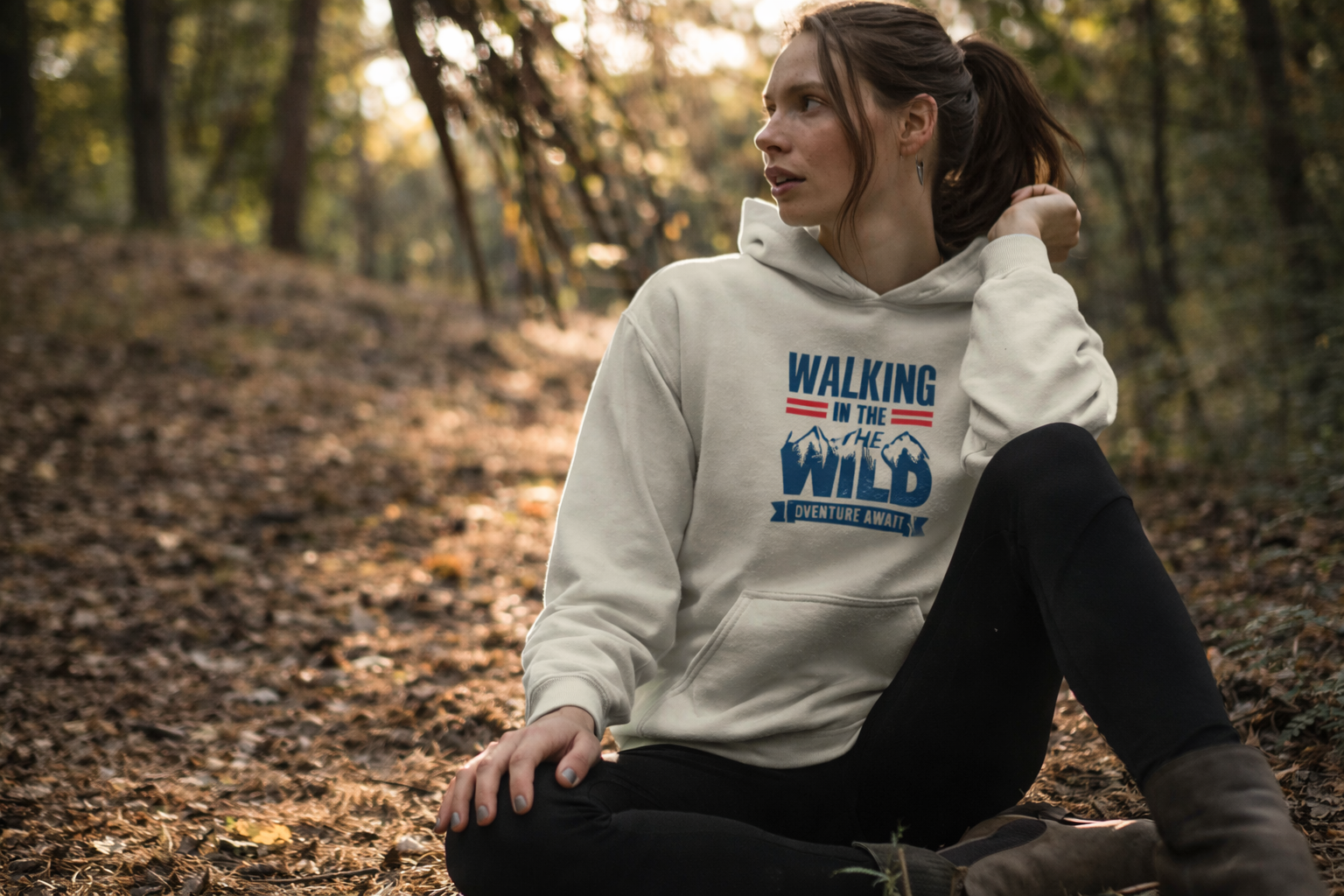
The most sustainable piece of clothing is the one you wear for years. Fast fashion has crept into outdoor culture, but true trail style isn’t about chasing trends. It’s about durability, comfort, and thoughtful materials.
When choosing sustainable hiking clothing, look for:
Organic cotton or responsibly sourced fibers
Long-lasting stitching and construction
Neutral, versatile colors
Pieces you can wear on and off the trail
Instead of building a large wardrobe, focus on a small collection that mixes easily. A comfortable, well-made tee that works on the trail, at a coffee stop, or around a campfire does more for sustainability than five trendy options you rarely wear. We go deeper into fabric choices and layering in our article on sustainable hiking clothing. And remember—trail-inspired apparel doesn’t have to scream “technical.” Sometimes a simple nature-inspired shirt or a comfortable hat you reach for every weekend becomes part of your hiking identity without overcomplicating things.
3️⃣ Build a Simple, Eco-Friendly Daypack
You don’t need twenty gadgets to enjoy the outdoors. In fact, overpacking is one of the most common beginner mistakes. Sustainable hiking embraces simplicity.
A basic eco-friendly hiking gear checklist for casual hikers might include:
Refillable water bottle
Lightweight reusable mug
Simple first aid kit
Snacks in reusable containers
Sun protection (hat, sunscreen)
Weather-appropriate layers
Choosing reusable over disposable reduces long-term waste. A sturdy mug that joins you on every sunrise hike saves countless single-use cups. A well-made cap that shields you from the sun for years prevents cheap replacements. If you want a full breakdown of how to build your kit responsibly, check out our guide to eco-friendly hiking gear. The key principle? Buy less. Buy better. Use longer.
4️⃣ Reduce Waste While You’re on the Trail
Sustainable hiking habits show up in small decisions.
Here’s how to minimize your impact during every hike:
🌿 Pack In, Pack Out (and Then Some)
Carry a small bag for trash—even if it isn’t yours. Picking up one extra wrapper improves the trail for everyone.
🌿 Skip Single-Use Plastics
Choose reusable containers and refillable bottles.
🌿 Stay on Marked Trails
Cutting switchbacks damages vegetation and increases erosion.
🌿 Respect Wildlife from a Distance
Feeding animals disrupts ecosystems and can harm both wildlife and hikers.
🌿 Travel in Smaller Groups When Possible
Heavy traffic increases trail wear. Sustainable hiking doesn’t require perfection. It requires awareness. Over time, these small actions become second nature.
5️⃣ Embrace the Hiking Lifestyle—Not Just the Activity
Sustainable hiking isn’t something you do once a month. It becomes part of your identity.
It shows up in:
Choosing experiences over things
Supporting brands that value environmental responsibility
Gifting thoughtfully instead of impulsively
Reconnecting with local state parks instead of always chasing far destinations
If hiking has become part of who you are, you’ll enjoy our article on the benefits of hiking outdoors and how it supports both personal wellness and environmental awareness.
When you begin seeing yourself as a “trail person,” your decisions naturally align with sustainability.
Sustainable Hiking for Every Age
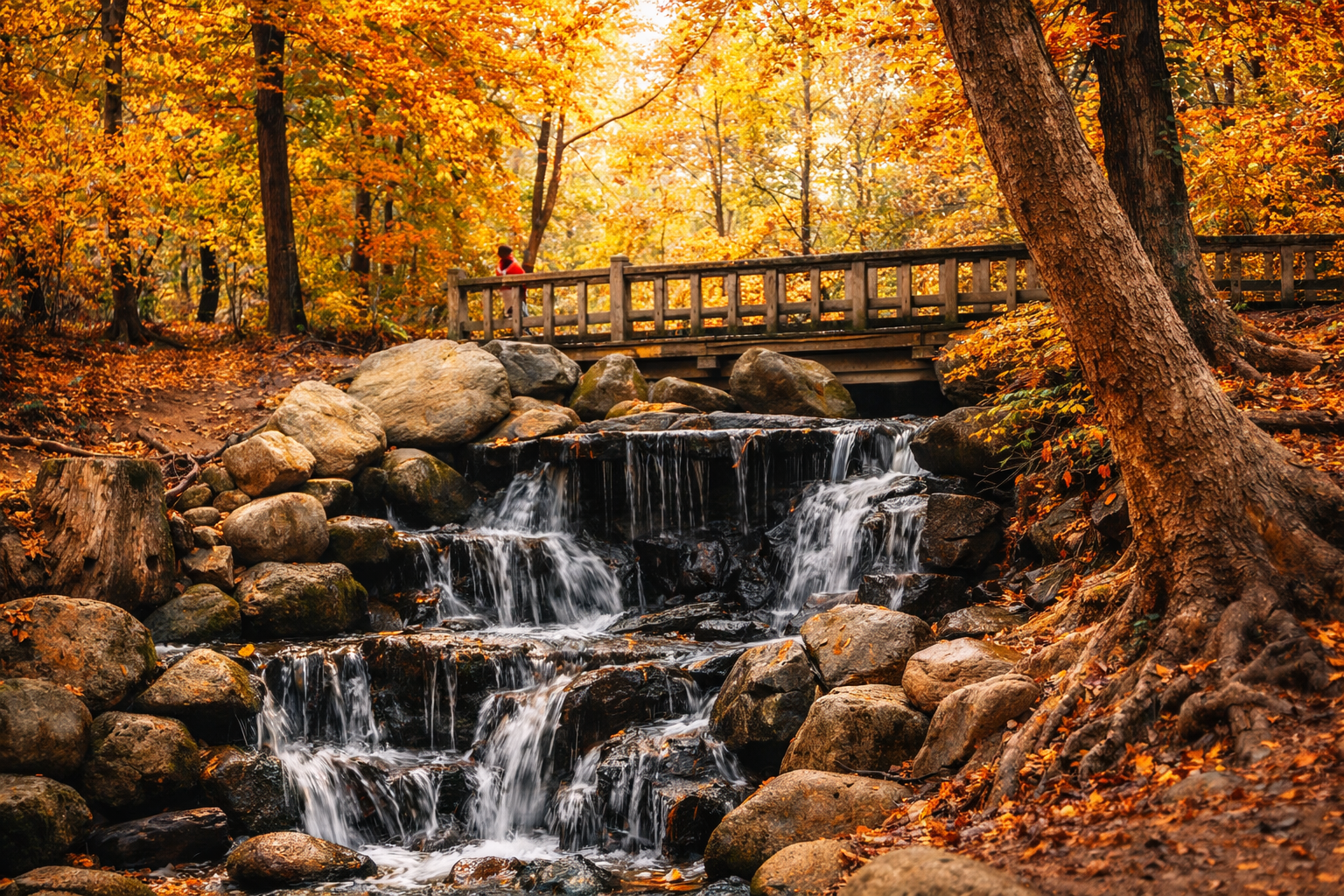
One of the beautiful things about hiking is that it’s ageless. Whether you’re 25 and just starting out or rediscovering the trail in your 50s and beyond, sustainable hiking adapts to your pace. If you’re starting later in life, we’ve created a guide specifically for hiking over 40 that focuses on comfort, pacing, and long-term joint health—without sacrificing adventure. The outdoors doesn’t belong to a certain age group. It belongs to anyone willing to step onto the path.
Practical Takeaways You Can Apply This Weekend
If you want to start practicing sustainable hiking immediately, here’s your simple action list:
Replace one disposable item in your pack with a reusable alternative.
Commit to staying on marked trails.
Choose one versatile, long-lasting clothing piece instead of multiple trendy ones.
Pick up at least one piece of trash during your next hike.
Research local state parks instead of driving farther than necessary.
Small steps compound over time.
FAQ: Sustainable Hiking
What is sustainable hiking?
Sustainable hiking is the practice of exploring nature while minimizing environmental impact through responsible habits, ethical gear choices, and Leave No Trace principles.
Why is sustainable hiking important?
It protects ecosystems, reduces waste, preserves trails, and ensures future generations can enjoy the outdoors.
Is sustainable hiking more expensive?
Not necessarily. In many cases, buying fewer high-quality items saves money long-term compared to replacing cheaper gear frequently.
What clothing is best for sustainable hiking?
Look for durable materials like organic cotton, responsibly sourced fabrics, and versatile designs that can be worn both on and off the trail.
How can beginners start hiking sustainably?
Start small—pack reusable items, follow Leave No Trace guidelines, and choose gear thoughtfully instead of impulsively.
The Trail Is a Shared Responsibility
There’s something grounding about placing your boots on a dirt path that has existed for decades—sometimes centuries. Sustainable hiking reminds us that we’re not just visitors. We’re temporary caretakers. The trees, rivers, wildlife, and overlooks don’t need perfection from us. They need intention. And when we hike with awareness—choosing sustainable hiking clothing, investing in eco-friendly hiking gear, following Leave No Trace principles, and embracing a slower, more thoughtful pace—we preserve the very thing that restores us. So lace up. Step lightly. Carry less. Stay longer. The trail will meet you there.
